


Amino Acid & Peptide Liquid
Concentrated Liquid Protein Hydrolysate for Agricultural Formulation
Xushang Gelatin Co., Ltd. manufactures and supplies concentrated amino acid and peptide liquid produced from selected animal protein raw materials through controlled hydrolysis, filtration, purification and concentration.
The product contains amino acids, short peptides and soluble hydrolyzed protein fractions in a concentrated liquid form.
It is primarily developed as a raw material for liquid fertilizers, amino acid fertilizers, biostimulant formulations, organic nitrogen products, microbial fermentation and customized agricultural nutrient systems.
Our conventional concentrated product has a typical solids content of approximately 55%–60%. Total amino acid content can reach 500 g/L or more in the corresponding production grade, subject to the agreed analytical method and batch Certificate of Analysis.
What Is Amino Acid Peptide Liquid?
Amino acid peptide liquid is a concentrated protein hydrolysate obtained by breaking larger protein molecules into smaller peptide and amino acid fractions.
After hydrolysis, the liquid is separated from insoluble material, filtered, purified and concentrated to the required solids content.
Compared with powder products, the liquid grade does not require redissolution before preparing many liquid formulations. This can simplify pumping, mixing and batch production for customers equipped with liquid-handling systems.
The exact composition and performance depend on:
Protein raw material
Hydrolysis process
Degree of hydrolysis
Peptide molecular-weight distribution
Free amino acid content
Salt and mineral content
Solids concentration
pH and storage conditions
Main Applications
Liquid Amino Acid Fertilizers
Can be used as an amino acid, peptide and organic nitrogen component in liquid fertilizer formulations after compatibility and stability testing.
Plant Biostimulant Formulations
Can be evaluated for inclusion in plant biostimulant products intended for foliar, fertigation or soil applications.
The finished formulation, application rate and product claims must comply with destination-market regulations.
Foliar Fertilizer Formulations
The liquid can be incorporated into foliar fertilizer formulations after confirming dilution stability, filtration, spray-nozzle compatibility and crop safety.
Concentrated raw material should not be applied directly without formulation and dilution testing.
Fertigation and Drip-Irrigation Products
Can be evaluated for fertigation products after confirming solubility, sedimentation, electrical conductivity, filtration and emitter compatibility.
Organic Nitrogen Products
Provides protein-derived organic nitrogen and peptide fractions for customized liquid agricultural products.
Trace-Element Formulations
Amino acids and peptide fractions may interact with certain mineral nutrients and trace elements.
Compatibility, precipitation, pH stability and storage stability must be verified for each formulation.
Microbial Fermentation
Can be evaluated as an organic nitrogen and peptide substrate in microbial fermentation systems.
Sterilization requirements, salinity, pH, microbial utilization and final-product stability must be tested.
Organic Fertilizer Fermentation
Can be incorporated into suitable organic fertilizer or composting systems as a protein-derived organic component, subject to process and regulatory evaluation.
Key Product Advantages
High Solids Concentration
The typical 55%–60% solids content reduces unnecessary water transportation compared with low-concentration hydrolysate liquids.
High Total Amino Acid Content
Corresponding production grades can provide total amino acids of 500 g/L or more, subject to the agreed testing method.
Amino Acid and Peptide Combination
The product contains both amino acid and peptide fractions, providing greater formulation complexity than a single free-amino-acid solution.
Ready for Liquid Processing
The concentrated liquid can be pumped, diluted and blended using suitable liquid-processing equipment.
Flexible Formulation
Can be evaluated with compatible NPK nutrients, humic substances, seaweed extracts, trace elements and other agricultural ingredients.
Customizable Quality Parameters
Solids, total amino acids, free amino acids, nitrogen, pH, chloride and other parameters can be discussed according to the intended application.
Typical Product Specification
The following table provides a recommended website specification framework. Final values must be confirmed in the agreed product specification and batch Certificate of Analysis.
Parameter | Typical Supply Description |
Product Name | Amino Acid & Peptide Liquid |
Product Type | Concentrated animal protein hydrolysate |
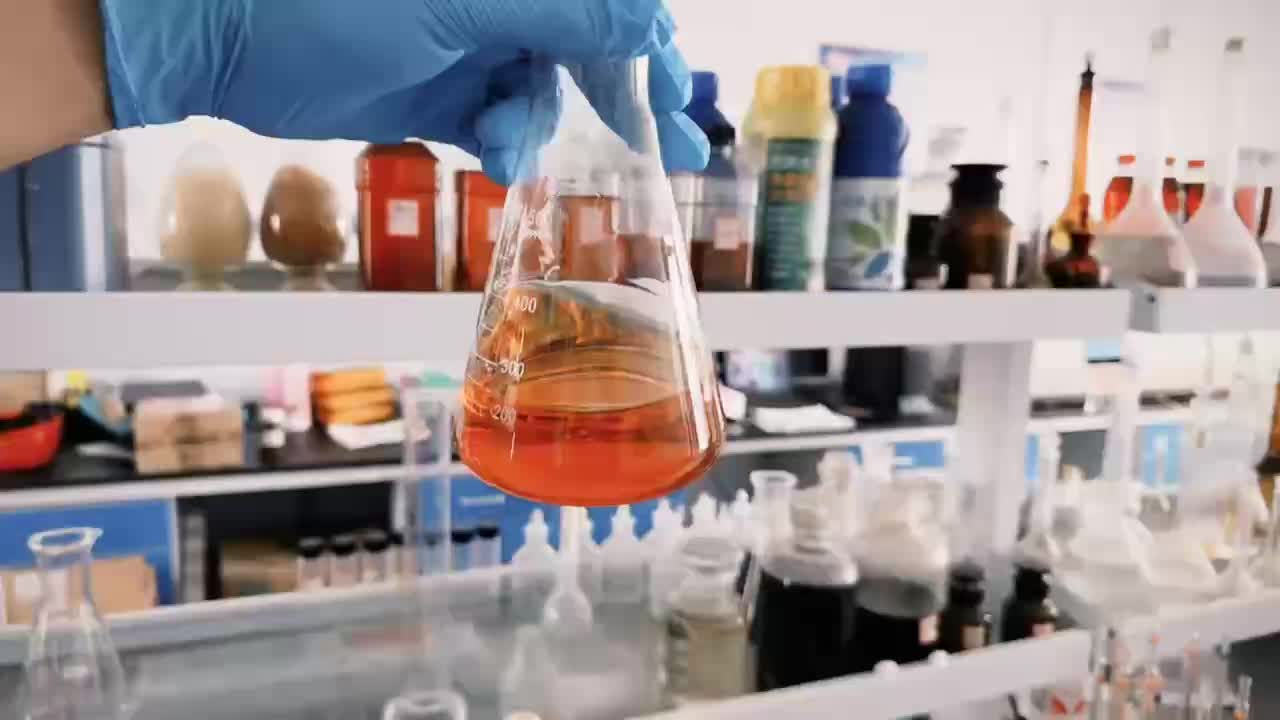
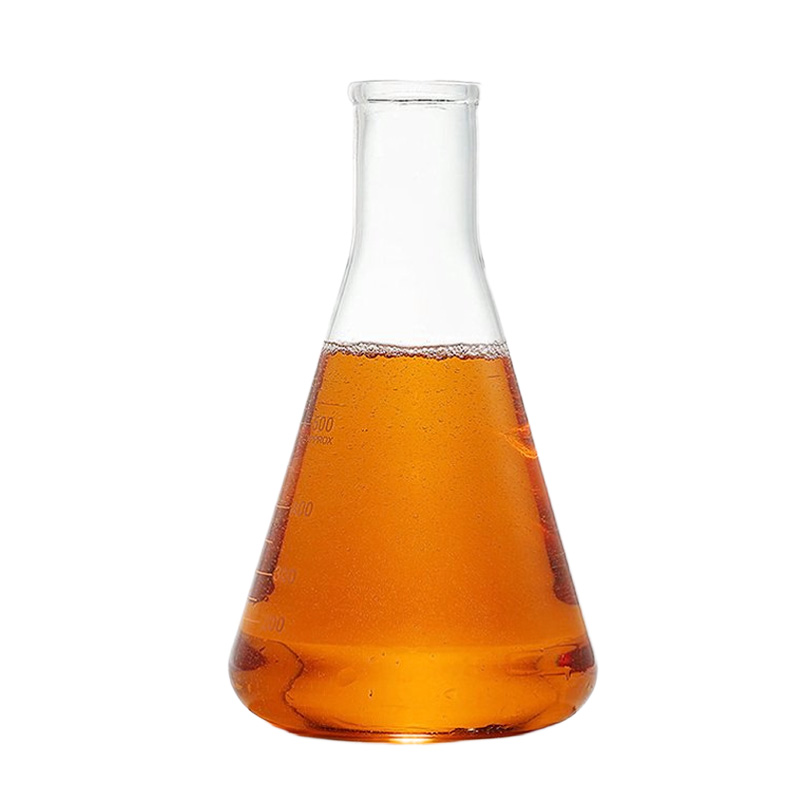
Appearance | Brown to dark brown viscous liquid |
Solids Content | Typically 55%–60% |
Total Amino Acids | Corresponding grade: ≥500 g/L |
Free Amino Acids | According to the agreed grade and analytical method |
Total Nitrogen | According to the agreed specification |
pH | According to the agreed specification |
Density | Batch-specific |
Chloride | Tested and reported according to the agreed specification |
Heavy Metals | Tested according to the agreed specification |
Chromium | Tested and reported when required |
Insoluble Matter | According to the selected grade |
Packaging | Drum, IBC or bulk packaging by agreement |
The values measured by a refractometer must not automatically be treated as official solids content. Solids, dry matter, Brix and total dissolved solids are different concepts and should be reported according to the agreed method.
Total amino acids, free amino acids and amino nitrogen are also separate analytical indicators.
Formulation Compatibility
Before commercial use, customers should evaluate compatibility with all other formulation ingredients.
Particular attention should be given to:
Calcium and Magnesium
High concentrations of calcium or magnesium may change viscosity or produce precipitation, depending on pH, sulfate, phosphate and other components.
Phosphate and Sulfate
These ingredients may interact with mineral ions and affect the clarity or stability of the formulation.
Trace Elements
Iron, zinc, manganese, copper and other trace elements can influence color, oxidation, pH and precipitation.
Humic and Fulvic Substances
Compatibility depends on pH, mineral content and the source of the humic material.
Seaweed Extracts
Viscosity, microbial stability and sedimentation should be evaluated after blending.
Microorganisms
The concentrated liquid should not automatically be assumed to be compatible with live microbial products. Salinity, pH, preservatives and microbial utilization must be tested.
Preservatives
Preservation requirements depend on solids content, pH, water activity, packaging and storage temperature.
A laboratory jar test, accelerated stability test and pilot production batch are recommended before commercial-scale manufacturing.
Suggested Handling
Before transfer or use:
Check the packaging for damage or leakage.
Mix or circulate the product if stratification has occurred during prolonged storage.
Use corrosion-resistant pumps, pipes and storage equipment suitable for the product pH and salt content.
Filter the product when required by the downstream process.
Add the liquid gradually under adequate agitation.
Monitor pH, viscosity, foam and precipitation during formulation.
Clean processing equipment after use.
The product may become more viscous at lower temperatures. Heating, when necessary, should be mild and controlled to avoid unnecessary degradation or color development.
Manufacturing Process
A typical production process includes:
Selection and inspection of protein raw materials、Pretreatment、Controlled hydrolysis、Solid-liquid separation、Filtration and purification、Adjustment of pH and process parameters、Concentration、Homogenization、Finished-product inspection、Filling and packaging;
Process conditions can be adjusted according to the required solids content, amino acid level, peptide distribution and application requirements.
Packaging and Storage
Packaging
Available packaging can include:
HDPE drums、IBC totes、Other bulk packaging by agreement
The actual net weight, packaging material and container-loading quantity must be confirmed for each order.
Storage
Store in tightly closed packaging in a cool and well-ventilated area.
Protect the product from:
Freezing
Excessive heat
Direct sunlight
Contamination
Prolonged contact with unsuitable metals
Uncontrolled microbial exposure
Storage stability depends on solids content, pH, preservation system, packaging and temperature. The shelf life should be confirmed for the selected production grade.
Important Use and Regulatory Notice
This concentrated liquid is supplied as an agricultural or industrial formulation raw material.
It should not be promoted as a finished registered fertilizer unless the final product has completed the applicable registration or compliance process.
It is not intended for food, pharmaceutical or direct feed use unless a separate grade has been specifically manufactured, tested and documented for that purpose.
Do not apply the concentrated raw material directly to crops without dilution, compatibility and crop-safety testing.
Actual performance depends on formulation, application rate, crop, growth stage, soil, water quality, climate and application method.
Request a Sample or Quotation
Send us your formulation requirements, target analytical parameters and purchase quantity.
Our team will review the required solids content, amino acid indicators, pH, chloride limit, packaging and application conditions, and provide a suitable specification, quotation, Certificate of Analysis or evaluation sample.
