


Edible Gelatin
Food-Grade Gelatin for Confectionery, Dairy, Bakery and Meat Products
Xushang Gelatin Co., Ltd. manufactures and supplies edible gelatin for food processing and industrial-scale food production.
Our edible gelatin provides reliable gelling, thickening, stabilizing, binding, foaming and film-forming performance. Different grades can be supplied according to the required Bloom strength, viscosity, particle size, color, transparency and final application.
Typical grades include 200 Bloom and 260 Bloom gelatin. Other specifications can be discussed according to the customer’s formulation, processing equipment and product requirements.
With a 37,000 m² manufacturing facility, annual production capacity exceeding 20,000 metric tons and exports to more than 30 countries and regions, we provide stable bulk supply and technical support to food manufacturers, ingredient distributors and private-label customers.
What Is Edible Gelatin?
Edible gelatin is a natural protein ingredient produced through the controlled partial hydrolysis of collagen-rich animal raw materials.
It dissolves in warm water and forms a thermoreversible gel after cooling. The gel can melt again when heated, making gelatin particularly suitable for foods requiring controlled texture, elasticity, chewiness, shape retention and rapid flavor release.
Unlike many conventional hydrocolloids, gelatin can provide several functions within the same formulation, including gelling, thickening, stabilization, aeration, emulsification and water binding.
Main Food Applications
Gummy Candy and Jelly Confectionery
Gelatin provides the elasticity, chewiness and clean bite required in gummy candies, fruit jellies and other gelled confectionery products.
By selecting the appropriate Bloom strength and dosage, manufacturers can develop textures ranging from soft and elastic to firm and highly chewy.
Marshmallows and Aerated Confectionery
Gelatin helps form and stabilize fine air bubbles, providing marshmallows and aerated confectionery with a light structure, suitable elasticity and stable shape.
Dairy Products and Desserts
In yogurt, mousse, pudding, cream desserts and other dairy formulations, gelatin can improve body, stabilize the product structure, reduce syneresis and provide a smooth mouthfeel.
Bakery and Fillings
Gelatin can be used in bakery fillings, glazes, toppings and decorative products to improve water binding, consistency, surface appearance and structural stability.
Meat and Savoury Products
In meat products, aspic, canned foods and prepared foods, gelatin helps bind water, improve slicing performance, stabilize the product structure and enhance mouthfeel.
Beverage and Liquid Clarification
Gelatin can assist in removing suspended particles and haze-forming substances from certain juices, wines and other beverages, depending on the clarification process and formulation.
Functional Benefits
Controlled Gel Strength
Different Bloom grades allow manufacturers to adjust gel firmness, elasticity and chewing characteristics.
Thermoreversible Gelation
Gelatin forms a gel during cooling and melts again when heated, providing a characteristic melt-in-the-mouth sensation.
Clean Flavor Release
The relatively low melting temperature of gelatin helps products release flavor rapidly during consumption.
Texture Improvement
Gelatin can improve elasticity, body, smoothness, cohesiveness and structural stability.
Water Binding
It helps retain moisture, reduce syneresis and maintain product consistency during storage.
Foaming and Aeration
Gelatin helps create and stabilize foam structures in marshmallows, mousses and aerated products.
Stabilization
It can stabilize emulsions, suspended particles and multiphase food systems under appropriate formulation conditions.
Film Formation
Gelatin forms transparent and flexible films suitable for coatings, encapsulation and certain food-processing applications.
Typical Product Specifications
The following information represents our commonly supplied edible gelatin grades. Final specifications must be confirmed in the Technical Data Sheet and batch Certificate of Analysis.
Physical index
ltem | Unit | Standard |
Jelly Strength | Bloom g | 120-280 |
Viscosity | mpa.s | ≥4.0 |
Moisture | % | ≤14 |
Ash | % | ≤2.0 |
Transparency | mm | ≥300 |
PH |
| 4.0-7.0 |
SO2 | mg/kg | ≤100 |
lnsoluble Material | % | ≤0.2 |
Heavy Metal (pb) | mg/kg | ≤2.0 |
Arsemic | mg/kg | ≤1.0 |
Cr | mg/kg | <2.0 |
Total Bacterial | cfu/g | ≤1000 |
Colibacillus | cfu/100g | Negative |
Salmonella |
| Negative |
Mesh | mesh | 5 |
Available Grades
200 Bloom Edible Gelatin
A versatile grade suitable for confectionery, bakery fillings, dairy desserts, meat products and general food applications requiring moderate-to-high gel strength.
260 Bloom Edible Gelatin
A higher-Bloom grade suitable for applications requiring stronger gel formation, higher elasticity or reduced gelatin dosage.
Customized Particle Size
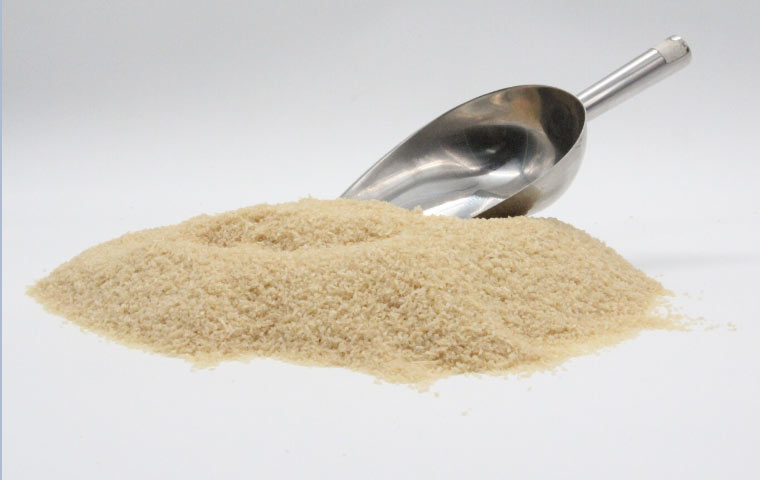
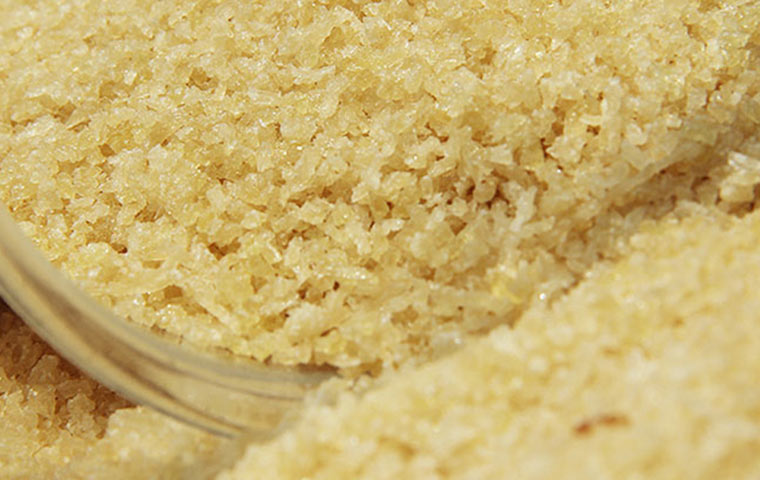
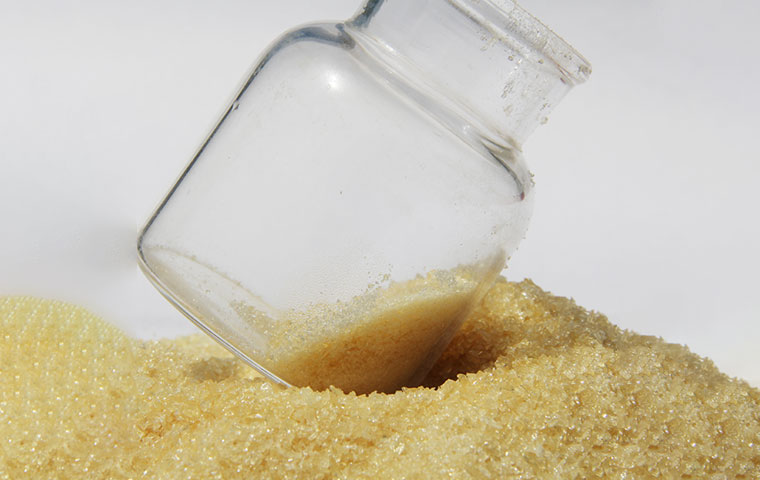
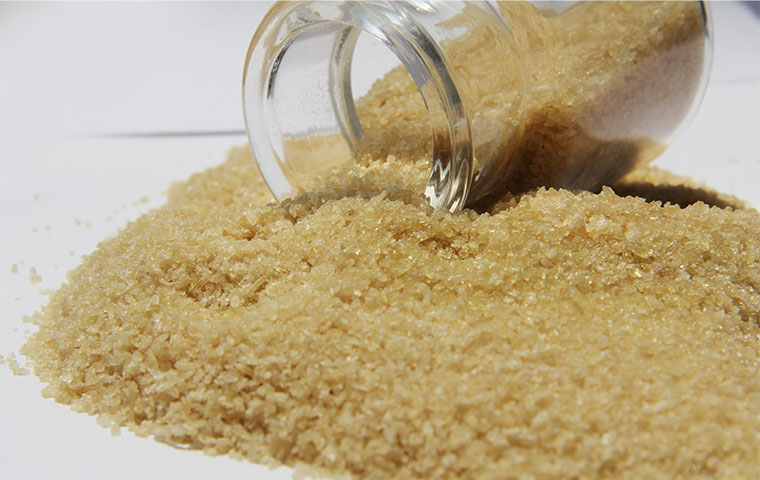
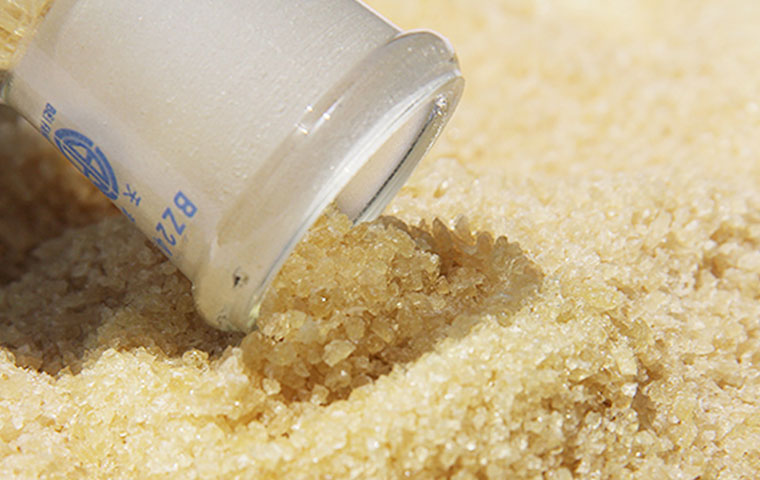
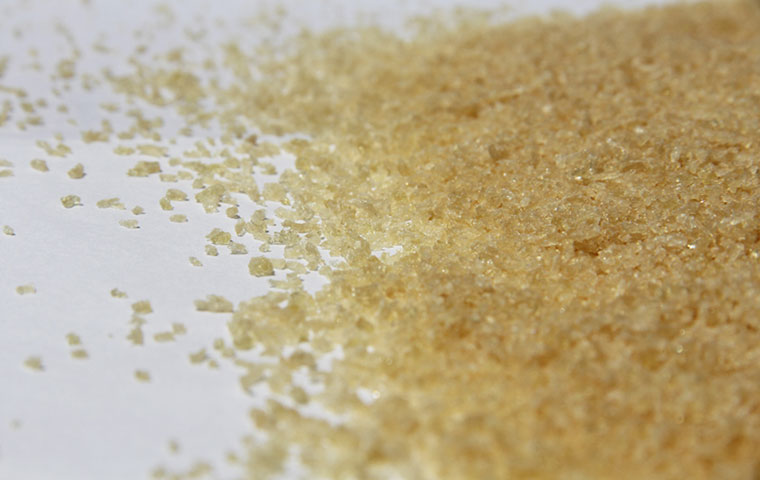
Depending on the production process and dissolution equipment, gelatin can be supplied as granules or powder in different particle sizes.
Finer powder generally dissolves more rapidly but requires suitable dispersion procedures to prevent lump formation. Coarser particles may provide better handling in certain industrial production systems.
Recommended Dissolution Method
The exact dissolution procedure should be adjusted according to particle size, concentration and production equipment.
A typical procedure is:
Add gelatin slowly into cold or room-temperature water while stirring.
Allow the gelatin to absorb water and swell completely.
Heat the swollen gelatin gradually until fully dissolved.
Avoid unnecessary prolonged heating or excessively high temperatures.
Add the gelatin solution to the formulation under suitable mixing conditions.
The recommended gelatin-to-water ratio and processing temperature depend on the intended application.
Manufacturing and Quality Control
Our edible gelatin is produced using a controlled manufacturing process that includes:
Selection and inspection of raw materials
Repeated washing and pretreatment
Controlled collagen extraction
Filtration and purification
Concentration
Sterilization
Drying
Crushing and particle-size control
Blending
Finished-product inspection
The production line uses stainless-steel processing equipment. Raw materials, intermediate materials and finished products are inspected according to the applicable production and quality-control procedures.
Each shipment can be supplied with the corresponding Certificate of Analysis. Additional technical and export documents can be discussed according to the product grade, destination market and order requirements.
Packaging and Storage
Standard Packaging
Normally 25 kg net per bag, packed in a kraft paper bag or woven outer bag with a food-compatible moisture-resistant inner liner.
Other packaging options may be discussed according to order quantity and customer requirements.
Storage Conditions
Store in a cool, dry and well-ventilated place.
Keep the packaging tightly closed and protect the product from moisture, heat, direct sunlight, strong odors, pests and chemical contamination.
Do not store gelatin directly on the floor or against walls.
Container Loading
Container loading quantity depends on:
Packaging format
Use of pallets
Container type
Product density
Destination-country requirements
Information Required for a Quotation
Please provide the following information when requesting a quotation or sample:
Final food application
Required Bloom strength
Required viscosity
Preferred particle size
Required food standard
Estimated order quantity
Packaging requirements
Destination country
Destination port
Required certificates or supporting documents
Providing complete application information helps us recommend a more suitable gelatin grade.
